
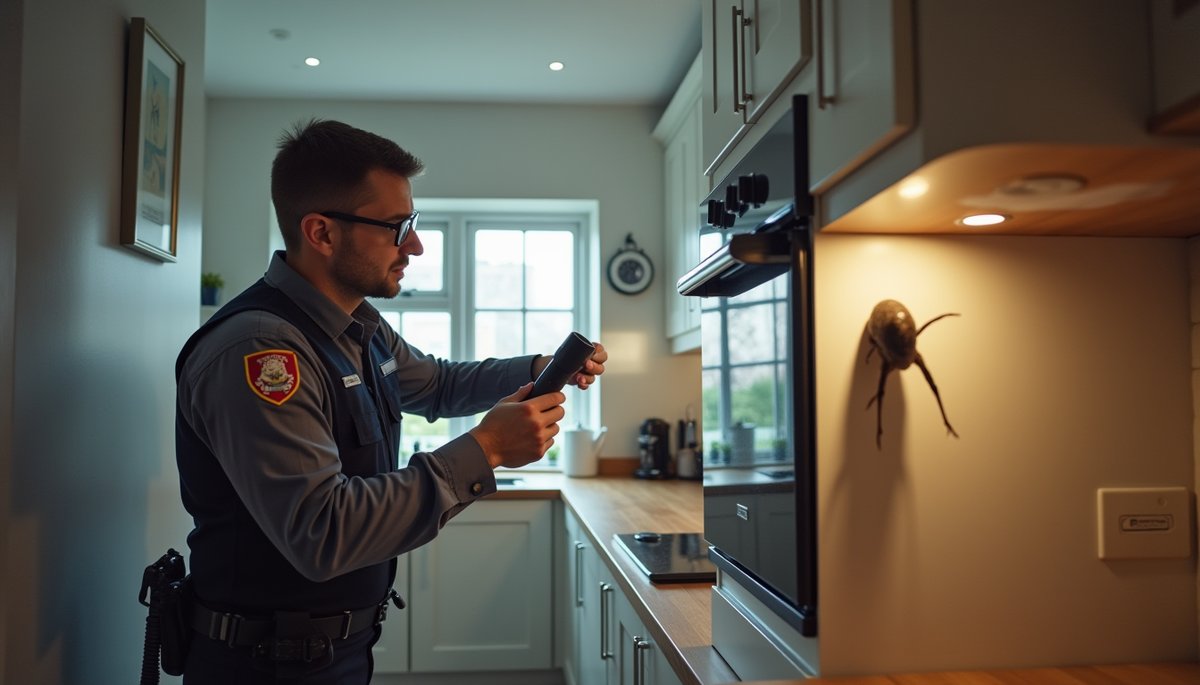
Rodents are among the most common household pests in the UK, and a rodent infestation can pose serious health risks to your family and cause significant damage to your property. Whether you’re dealing with rats or mice, early detection is crucial for effective control. In this comprehensive guide, we’ll help you identify the telltale signs of a rodent infestation and explain what steps you should take.
Common Signs of Rodent Activity
Rodents are nocturnal creatures, so you may not see them during the day. However, they leave plenty of evidence of their presence. Here are the key signs to look out for:
1. Droppings

Rodent droppings are one of the most obvious signs of an infestation. Rat droppings are typically dark brown and spindle-shaped, measuring around 10-14mm in length. Mouse droppings are smaller, roughly 3-8mm, and resemble small grains of rice. Fresh droppings are dark and moist, whilst older ones become grey and crumbly.
2. Gnaw Marks
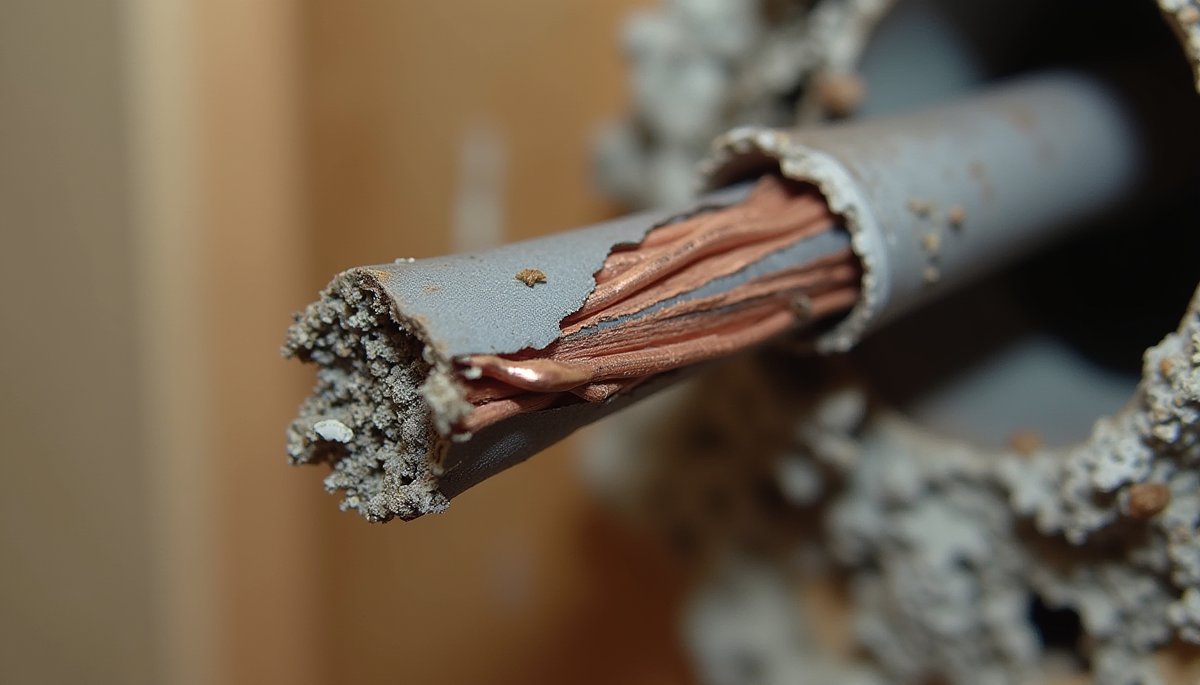
Rodents have continuously growing incisor teeth, which means they must gnaw constantly to keep them trimmed. Look for gnaw marks on wooden furniture, skirting boards, electrical cables, and food packaging. Rats leave larger, rougher marks compared to the smaller, neater marks left by mice.
3. Scratching Noises
If you hear scratching, scurrying, or squeaking sounds, particularly at night, it’s a strong indicator of rodent activity. Rats tend to make more noise as they’re larger, whilst mice produce higher-pitched sounds.
4. Grease Marks and Smear Tracks
Rodents have oily fur that leaves dark smear marks along walls, floorboards, and other surfaces they frequently travel. These greasy rub marks are particularly noticeable along regular routes between their nest and food sources.
5. Nests and Nesting Materials
Rodents build nests from shredded materials such as paper, cardboard, fabric, and insulation. Check behind appliances, in loft spaces, under floorboards, and in quiet corners for signs of nesting.
6. Unusual Pet Behaviour
Dogs and cats may become excited or agitated when rodents are present. If your pet is pawing at spaces under cookers, refrigerators, or low-clearance furniture, it could indicate hidden rodent activity.
Rats vs Mice: Key Differences
Understanding whether you have rats or mice is important for effective treatment. Here’s a comparison to help you identify which pest you’re dealing with:
Health Risks Associated with Rodents
Rodent infestations aren’t just a nuisance—they pose genuine health risks. Rodents can transmit diseases including:
- Leptospirosis (Weil’s disease) — Spread through contact with rodent urine
- Salmonella — Contamination of food and surfaces
- Hantavirus — Transmitted through droppings and urine
- Lymphocytic choriomeningitis (LCMV) — Carried by house mice
Additionally, rodent droppings and dander can trigger allergic reactions and worsen asthma symptoms, particularly in children.
Property Damage
Beyond health concerns, rodents cause substantial property damage. Their constant gnawing can compromise:
- Electrical wiring — Creating fire hazards
- Water pipes — Leading to leaks and flooding
- Structural timbers — Weakening building integrity
- Insulation — Reducing energy efficiency
- Personal belongings — Damaging furniture, clothing, and stored items
What to Do If You Suspect an Infestation
If you’ve noticed any of the signs mentioned above, it’s important to act quickly. Rodents breed rapidly—a single pair of mice can produce up to 2,000 offspring in a year under ideal conditions.
Here are immediate steps you should take:
- Secure food sources — Store food in airtight containers and clean up crumbs and spills promptly
- Block entry points — Seal gaps around pipes, doors, and windows. Mice can squeeze through holes as small as 6mm
- Remove clutter — Eliminate potential nesting sites by keeping storage areas tidy
- Contact professionals — DIY methods often fail to address the root cause. Professional pest controllers have the expertise and tools to eliminate infestations effectively
Professional Rodent Control Services
At Pest Control Blackpool, we provide comprehensive rat control and mice control services across the Fylde Coast. Our BPCA-qualified technicians use targeted treatments that are safe for your family and pets whilst effectively eliminating rodent populations.
Our service includes:
- Thorough inspection to identify entry points and nesting sites
- Tailored treatment plans using professional-grade products
- Proofing recommendations to prevent future infestations
- Follow-up visits to ensure complete eradication
Don’t let a rodent problem escalate. If you suspect you have rats or mice in your property, contact us today for a prompt, professional response. Early intervention saves time, money, and stress in the long run.